9 Best Wax Resists for Pottery for 2026
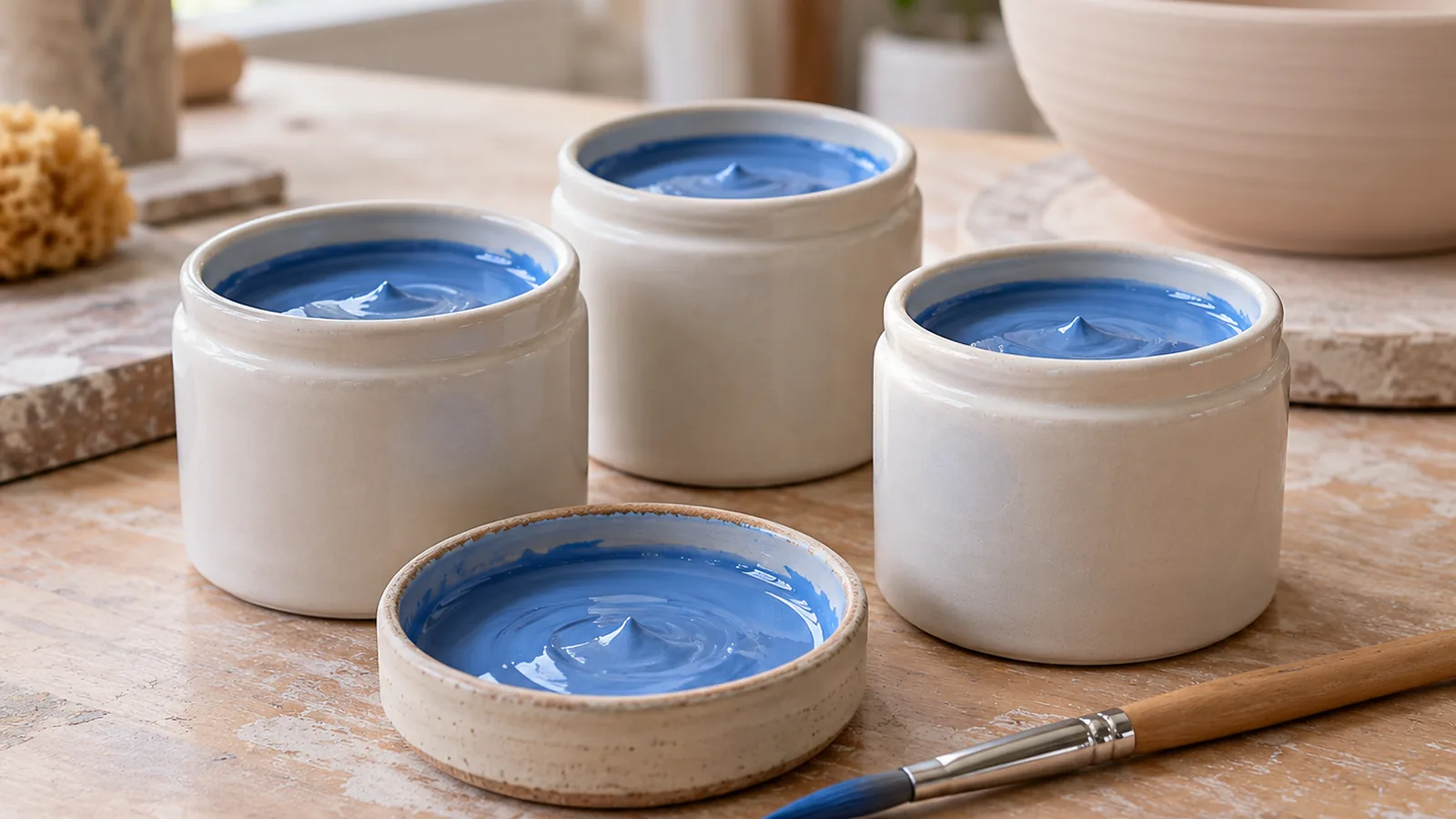
GLOGLOW Liquid Wax Resist is the Best Overall pick for work on leather-hard clay or bisqueware; the other options include AYNEFY Kiln Safe Resist for high-heat use, Denash Pottery Glaze Wax Resist for fine detail, and GLOGLOW Pottery Wax Resist for sgraffito. Zunate Ceramic Wax Resist serves multiple clay types, while Onythral, Yobadam, Naroote, and Jauarta Ceramic Wax Resist round out the choices.
Choose by the surface and stage of your clay, what you need the resist to repel, and how you want to apply it. Wax resist can repel glaze, slip, or underglaze, and methods include brushing, dipping, pouring, spraying, and piping.
Wax burns off in the kiln, so it isn’t a peel-off mask; glaze beads left on wax can stick to the fired surface.
The comparison table summarizes each option’s application surface, what it resists, and resist type.
Our top picks for wax resists for pottery
- Best Overall: GLOGLOW Liquid Wax Resist, for beginner potters and studios making dinnerware or decorative/sculptural work on leather-hard clay or bisqueware
- Best for High-Heat Use: AYNEFY Kiln Safe Resist, for potters seeking a visible brush-on wax resist for glaze patterning and scraping techniques
- Best for Fine Detail: Denash Pottery Glaze Wax Resist, for potters seeking a liquid wax resist for detailed designs and glaze-blocking patterns
How to Choose a Wax Resist for Pottery
Match the resist to your clay surface
Start with the surface you’ll coat. A resist meant for greenware or bisque can suit work at either stage, while a resist that also works over unfired color gives you more options for layered decoration. Mayco’s blue wax resist can be applied to greenware or bisque and over unfired color.
Think about where the resist needs to sit in your process. Wax can block glaze, slip, or underglaze from selected areas, so the right surface match depends on which material you want to keep off the clay.
Choose a format and color you can apply accurately
Pick an application method that fits the shape and size of the area you want to protect. Wax resist can be brushed, dipped, poured, sprayed, or piped, so you can choose between controlled placement and covering larger areas. For narrow lines or small motifs, a method that lets you guide the wax precisely can reduce unwanted coverage; for broad areas, choose an approach that spreads wax across the surface efficiently.
Color can make placement easier to see. Mayco’s resist is blue when applied, which helps you distinguish coated areas from bare clay while working. That visibility can matter most when you’re tracing a pattern or coating a large surface. Match the color and method to your lighting and the level of control your design needs.
For brushed application, follow the coat guidance rather than building up layers. Mayco recommends one generous coat; even a thin coat repels color, while a second coat beads on the first instead of adhering. A common mistake is adding another layer to fill a missed spot. Plan your brush path and cover the intended area in one pass where possible.
Check glaze, slip, and underglaze compatibility
Choose a resist based on what you need it to repel. AMACO’s wax resist is intended for use on greenware or bisque to resist glaze, slip, and underglaze. If your technique uses one of those materials, make sure the wax is suitable for that pairing rather than assuming all resists behave the same way.
Also consider what will go on top of the wax. Glaze can bead on a waxed area, and beads left there may stick to the fired surface. Wipe or gently pounce away those beads with a clean, damp sponge before firing. This matters especially when you want a clean boundary between glazed and resist-covered areas.
Check the glaze type as well as the resist. Wax may peel some dipping glazes or glazes without gum, so those combinations call for extra care. If your decoration relies on a dipping glaze or a glaze without gum, the chance of peeling may outweigh the convenience of using wax. Choose a different application plan if preserving that glaze layer is the priority.
Consider firing behavior and cleanup
Treat wax as a firing-stage resist, not a removable mask. Once applied, Mayco’s wax cannot be removed from the ware before firing; the kiln removes it. That makes placement important: avoid coating areas you may want to revise later, and keep a sponge nearby to clean unwanted wax before it reaches the clay.
Wax doesn’t guarantee that glaze will stay in place during firing. Glaze applied too heavily over wax can still run, so keep the glaze layer controlled where it meets a resist boundary. Wax may also chip during sgraffito, a method that exposes clay by scratching through a surface layer. If your design involves scraping, don’t rely on wax as a durable barrier through that work.
Plan brush cleanup before the wax dries. Mayco’s wax needs no brush preconditioning, and mineral spirits may remove it if it dries in the brush. A ceramic arts author describes wax as easy to spot and wipe off, but also reports that cleanup took time overall. Set aside time to clean tools and the work area instead of assuming the resist will wipe away quickly.
Select for detail work or broad coverage
For fine lines, choose an application method that gives you control over the wax’s path. Piping or careful brushing can suit small shapes and narrow borders, while spraying or dipping can cover broader areas. These methods are options, not guarantees of precision: the shape of your piece and the pattern you’re making still determine how closely you can control the edge.
For larger areas, prioritize even coverage and a manageable workflow. A broad application method can save repeated brushwork, but it can also make it easier to coat areas you meant to leave open. Break the surface into clear sections and plan where each boundary falls before applying wax.
Match the amount of detail to the resist’s behavior. A thin coat can repel color, so extra thickness isn’t always needed; a second coat may bead rather than stick. For a design with fine edges, work carefully with a single coat and remove stray beads before firing. For broad coverage, focus on a continuous application rather than layering more wax over the first coat.
| GLOGLOW Liquid Wax Resist |  | Best Overall | Application Surface: Leather-hard clay and bisqueware | Resists: Glaze and underglaze | Resist Type: Water-soluble liquid wax resist | VIEW LATEST PRICE | Read Our Analysis |
| AYNEFY Kiln Safe Resist | | Best for High-Heat Use | Application Surface: Bisqueware; also preglazed | Resists: Glaze | Resist Type: Liquid wax resist | VIEW LATEST PRICE | Read Our Analysis |
| Denash Pottery Glaze Wax Resist | | Best for Fine Detail | Application Surface: Ware, hand-built pieces | Resists: Glaze; underglaze mentioned | Resist Type: Wax resist | VIEW LATEST PRICE | Read Our Analysis |
| GLOGLOW Pottery Wax Resist | 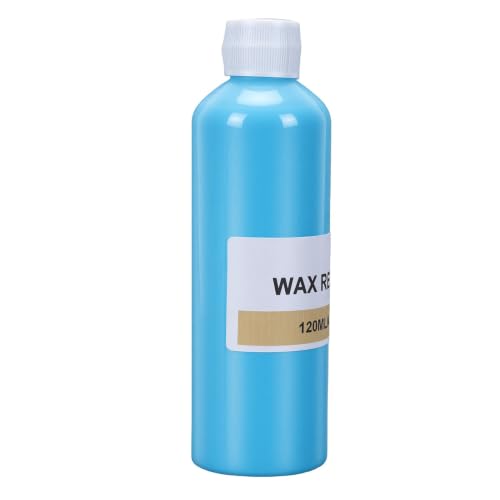 | Best for Sgraffito | Application Surface: Unglazed ceramic; not bisque-specific | Resists: Glaze and underglaze | Resist Type: Liquid wax emulsion | VIEW LATEST PRICE | Read Our Analysis |
| Zunate Ceramic Wax Resist |  | Best for Multiple Clay Types | Application Surface: Unglazed clay, fired pottery | Resists: Glaze and slip | Resist Type: Liquid wax emulsion | VIEW LATEST PRICE | Read Our Analysis |
| Onythral Ceramic Wax Resist | | Best for White Resist | Application Surface: Unglazed pottery, handcrafted ceramics | Resists: Glaze adhesion in specific areas | Resist Type: Ceramic wax resist | VIEW LATEST PRICE | Read Our Analysis |
| Yobadam Ceramic Wax Resist | | Best for Broad Coverage | Application Surface: Unglazed ceramic surfaces | Resists: Glaze | Resist Type: Liquid wax resist | VIEW LATEST PRICE | Read Our Analysis |
| Naroote Ceramic Wax Resist | | Best for Brushwork | Application Surface: Unglazed ceramic; underglaze-prepared areas | Resists: Glaze | Resist Type: Wax-based resist solution | VIEW LATEST PRICE | Read Our Analysis |
| Jauarta Ceramic Wax Resist |  | Best for Sgraffito Work | Application Surface: Unglazed pottery, handcrafted ceramics | Resists: Underglaze and glaze | Resist Type: White wax resist | VIEW LATEST PRICE | Read Our Analysis |
More Details on Our Top Picks
GLOGLOW Liquid Wax Resist
For beginner potters who need visible glaze barriers, this all-around pick makes the best wax resist for pottery easier to apply across detailed forms. GLOGLOW Liquid Wax Resist is a 250 ml blue liquid for leather-hard clay and bisqueware. Its color helps you see coverage, while the resist blocks glaze and underglaze from areas where you want natural clay to show.
It also covers piece bottoms to help prevent kiln-shelf sticking. The liquid dries to a hard, non-tacky film and burns off during kiln firing.
Brush it onto the surface, then clean brushes with soap and water. The water-soluble formula suits studios making dinnerware or decorative work, and its blue color can help track coverage on handles, lidded jars, and sculptural details. No pre-firing cleanup is needed before kiln firing. Its stated surface range is leather-hard clay and bisqueware, so it’s tailored to those stages rather than a general-purpose resist for every clay surface.
Skip it if: your clay is at a stage other than leather-hard or bisqueware.
- Application Surface:Leather-hard clay and bisqueware
- Resists:Glaze and underglaze
- Resist Type:Water-soluble liquid wax resist
- Application Format:Liquid; brushes cleaned after use
- Application Color:Blue
- Firing Behavior:Burns off during kiln firing
- Container Volume:8.45 fl oz (250 ml)
- Cleanup Method:Soap and water
AYNEFY Kiln Safe Resist
Its claimed 2300°F firing stability suits potters seeking high-heat performance for visible glaze patterns. AYNEFY Kiln Safe Resist is a blue, brush-on liquid wax for bisqueware and preglazed surfaces. Its smooth consistency supports brushwork and scraping, while the wax barrier helps keep glaze from adhering where you apply it.
The blue color makes the application visible as you work, which helps with pattern placement and scraping designs. It also works with underglazes, so you can use it for more than one kind of glaze pattern.
The liquid goes on with a brush, and it burns away during firing, leaving the design areas clear of wax residue. Brush-on application gives you control over lines and smaller patterns, while scraping suits broader designs. The size information conflicts: the title gives 250 ml, but the specification says 1 fl oz.
That makes the amount supplied unclear, a practical concern if you’re planning repeated studio use. Its stated firing limit is 2300°F, and the resist is intended for glaze patterning on bisqueware or preglazed work.
Skip it if: you need a wax resist for unglazed greenware rather than bisqueware or preglazed surfaces.
- Application Surface:Bisqueware; also preglazed
- Resists:Glaze
- Resist Type:Liquid wax resist
- Application Format:Brush-on liquid; scraping
- Application Color:Blue
- Firing Behavior:Burns away during firing
- Container Volume:250 ml title; 1 fl oz spec
- Cleanup Method:Burns away during firing
Denash Pottery Glaze Wax Resist
If you’re making detailed glaze-blocking patterns, Denash Pottery Glaze Resist gives you a liquid resist suited to fine brushwork and scraping. It works on ware and hand-built pieces, and you can use it with underglazes for designs that leave selected clay areas uncovered.
Apply it to draw patterns or block glaze from chosen areas, then fire the piece; the resist burns off during kiln firing. Its 8.45 fl oz container gives you liquid wax for detailed work, and the listed techniques include fine brushwork and scraping. It’s intended for beginners and seasoned potters, with application described for pre-underglaze use.
Skip it if: you need enough resist to coat broad areas on many pieces.
- Application Surface:Ware, hand-built pieces
- Resists:Glaze; underglaze mentioned
- Resist Type:Wax resist
- Application Format:—
- Application Color:#111
- Firing Behavior:Burns off during kiln firing
- Container Volume:8.45 fl oz
- Cleanup Method:Burns off during kiln firing
GLOGLOW Pottery Wax Resist
GLOGLOW Pottery Wax Resist suits you if you’re making detailed sgraffito with visible blue masking. The 120 ml liquid wax is intended for unglazed ceramic and underglaze preparation, where it blocks glaze from selected areas. Use it for fine brushwork or broader scraping, including detailed patterns and decorative work.
The blue tint makes the resist easier to see as you brush it onto the surface, and it burns out during kiln firing rather than peeling away. It maintains pattern integrity at high kiln temperatures and burns out at lower ranges. Thick liquid wax can take longer to dry and retain moisture, so let the masking dry fully before glazing to reduce smudging. Kiln burnout leaves the underlying clay or glaze visible, with ventilation needed during firing.
Skip it if: you need a resist that peels off before firing.
- Application Surface:Unglazed ceramic; not bisque-specific
- Resists:Glaze and underglaze
- Resist Type:Liquid wax emulsion
- Application Format:Liquid; brushwork and broad scraping
- Application Color:Blue-tinted
- Firing Behavior:Burns out in kiln firing
- Container Volume:4.06 fl oz (120 ml)
- Cleanup Method:Burns out during kiln firing
Zunate Ceramic Wax Resist
Potters masking several clay bodies will value this brush-on resist, made for stoneware, porcelain, terracotta, and fired pottery. The 4.06 fl oz sealable bottle holds a liquid wax emulsion for unglazed clay. Its black application color marks the barrier, while the even-flowing formula suits delicate lines, sgraffito, and layered underglaze patterns. It blocks glaze and slip from clay feet and decorated areas, then burns off during high-temperature kiln firing.
Brush it onto the areas you want to keep free of glaze or slip, including fine decorative details. The smooth brushable emulsion supports controlled linework, and the 120 ml bottle closes for storage between uses. Wax resist can work well with dipped glaze when dry, though repeated brush-on glaze layers may be less reliable, and excess glaze on waxed areas may need wiping before firing. Zunate’s broad clay compatibility makes it a practical option for projects that move between stoneware, porcelain, terracotta, and fired pottery.
Cons: Potters report wax resist may be less reliable with repeated brush-on glaze layers (general wax-resist feedback; not Zunate-specific).
Skip it if: you need resist that holds through repeated brush-on glaze layers.
- Application Surface:Unglazed clay, fired pottery
- Resists:Glaze and slip
- Resist Type:Liquid wax emulsion
- Application Format:Brushable liquid
- Application Color:#111 (black)
- Firing Behavior:Burns off during kiln firing
- Container Volume:4.06 fl oz
- Cleanup Method:Burns off during firing
Onythral Ceramic Wax Resist
Onythral suits studio potters wanting white kiln-burnout resist. Its 120 ml size suits fine-line brushwork, sgraffito, and smaller decoration jobs. The white resist blocks glaze adhesion on marked areas and is listed for use with underglazes in kilns. It works on unglazed pottery, handcrafted ceramics, and mold work.
Apply it to the areas you want to keep glaze-free, then fire the piece: the resist burns off in the kiln, exposing the clay surface. White color can make the resist harder to see against light-colored clay while you work. The formula is listed for delicate brushwork, so it fits detailed designs better than broad coverage. Its white finish and kiln burnout suit pieces where you want exposed clay to define the design.
Skip it if: you need strong visibility for fine details on light-colored clay.
- Application Surface:Unglazed pottery, handcrafted ceramics
- Resists:Glaze adhesion in specific areas
- Resist Type:Ceramic wax resist
- Application Format:—
- Application Color:White
- Firing Behavior:Burns off during kiln firing
- Container Volume:4.06 fl oz (120 ml)
- Cleanup Method:Burns off in kiln
Yobadam Ceramic Wax Resist
Blue liquid wax suits hobby potters and classroom groups needing broad coverage, blocking glaze from selected areas on unglazed ceramic. Its blue color makes the application visible, and you can spread it with a broad scraper for large areas or a fine brush for detail lines. It works with underglazes before kiln firing.
As kiln heat melts the barrier, it burns away and leaves selected areas free of glaze. That makes it useful for patterns on bowls, tiles, and sculpted pieces, while the blue tint helps you track placement. The main limit is its stated surface: unglazed ceramic. Choose it when you need to mask broad sections, then switch to a fine brush for narrow lines.
Skip it if: you need to apply resist directly to glazed ceramic.
- Application Surface:Unglazed ceramic surfaces
- Resists:Glaze
- Resist Type:Liquid wax resist
- Application Format:Broad scraper or fine brush
- Application Color:Blue
- Firing Behavior:Burns off during kiln firing
- Container Volume:4.06 fl oz (120 mL)
- Cleanup Method:Burns away in kiln
Naroote Ceramic Wax Resist
Beginners and studio potters struggle to keep glaze off fine motifs, and this liquid suits brushwork on clay. The Naroote Ceramic Wax Resist offers broad coverage and fine brushwork for open areas or small details. Wax resists are easy to brush on, effective at blocking glaze, and easy to spot and wipe off.
You brush it on unglazed clay or underglaze-prepared areas before firing. The wax burns away at lower kiln temperatures, which leaves the clay visible. Cleanup takes time with wax resists in general, and this liquid runs and drips easily, so fine lines need a steady hand. Pair it with underglaze for crisp color on bowls and tiles.
Skip it if: you need to block glaze on glazed surfaces; this resist is for unglazed or underglazed areas.
- Application Surface:Unglazed ceramic; underglaze-prepared areas
- Resists:Glaze
- Resist Type:Wax-based resist solution
- Application Format:Liquid; broad coverage and fine brushwork
- Application Color:—
- Firing Behavior:Burns away at lower kiln temperatures
- Container Volume:4.06 fl oz (120 mL)
- Cleanup Method:—
Jauarta Ceramic Wax Resist
Its white color hides the resist on the pottery, making it a fit for beginners and sgraffito work. You brush the 250 ml bottle onto selected areas before underglaze or glaze goes on. It’s listed for fine brushwork and line or border work, so it fits detailed patterns on unglazed clay. Wax resist is easy to brush on and it works well at resisting glaze.
The resist burns off at lower kiln stages, so raw clay shows wherever you brushed it on the piece. Cleanup takes time with wax resist overall, so leave room for it in your session. Because the white color hides your strokes, map your borders in pencil on the bisque before you brush.
Skip it if: you need to dip or spray large batches; this brush-on liquid is for unglazed clay.
- Application Surface:Unglazed pottery, handcrafted ceramics
- Resists:Underglaze and glaze
- Resist Type:White wax resist
- Application Format:Brush-on liquid
- Application Color:White
- Firing Behavior:Burns off during kiln firing
- Container Volume:250 ml
- Cleanup Method:Burns away in kiln
Wax Resists for Pottery: Key Specs Side by Side
Here is how the 9 picks line up on application surface, resists, resist type, application format and application color. Cells marked with a dash are specs the maker leaves out of its listing.
| Pick | Application Surface | Resists | Resist Type | Application Format | Application Color |
|---|---|---|---|---|---|
| GLOGLOW Liquid Wax Resist | Leather-hard clay and bisqueware | Glaze and underglaze | Water-soluble liquid wax resist | Liquid; brushes cleaned after use | Blue |
| AYNEFY Kiln Safe Resist | Bisqueware; also preglazed | Glaze | Liquid wax resist | Brush-on liquid; scraping | Blue |
| Denash Pottery Glaze Wax Resist | Ware, hand-built pieces | Glaze; underglaze mentioned | Wax resist | — | #111 |
| GLOGLOW Pottery Wax Resist | Unglazed ceramic; not bisque-specific | Glaze and underglaze | Liquid wax emulsion | Liquid; brushwork and broad scraping | Blue-tinted |
| Zunate Ceramic Wax Resist | Unglazed clay, fired pottery | Glaze and slip | Liquid wax emulsion | Brushable liquid | #111 (black) |
| Onythral Ceramic Wax Resist | Unglazed pottery, handcrafted ceramics | Glaze adhesion in specific areas | Ceramic wax resist | — | White |
| Yobadam Ceramic Wax Resist | Unglazed ceramic surfaces | Glaze | Liquid wax resist | Broad scraper or fine brush | Blue |
| Naroote Ceramic Wax Resist | Unglazed ceramic; underglaze-prepared areas | Glaze | Wax-based resist solution | Liquid; broad coverage and fine brushwork | — |
| Jauarta Ceramic Wax Resist | Unglazed pottery, handcrafted ceramics | Underglaze and glaze | White wax resist | Brush-on liquid | White |
Frequently Asked Questions
How long should wax resist dry before glazing?
Wax-resist drying time depends on the product, so follow its stated application directions rather than using one fixed wait.
Should I apply wax resist to the bottom of pottery before glazing?
Apply wax to the bottom when you want that area to repel glaze, since wax resist blocks glaze from coated areas. Keep the coating off any surface you want glazed.
Is pottery wax resist toxic, and how should I clean my brushes?
Toxicity depends on the specific resist, so use its product safety directions for handling. For brush cleanup, Mayco says its wax needs no preconditioning; if it dries in the brush, mineral spirits may remove it.
How do I keep wax resist from bleeding under glaze?
Apply one generous coat and avoid adding a second, which can bead rather than adhere to the first. Keep glaze from going on too heavily over the wax.
Can I use wax resist on leather-hard pottery?
Yes, wax resist can be used on greenware. Match the resist to your clay stage, then apply it only where you want glaze or color to be repelled.
Conclusion
Choose your wax resist by the job: use brushing or piping when you need control over a fine line, and spraying or dipping for broader coverage. If the design uses underglaze or sits on greenware or bisque, match the resist to that surface and material.
Sources
- Wax Resist (maycocolors.com, 44 days ago)
- Resistance is Not Futile: Great Decoration with Resists (ceramicartsnetwork.org, 2665 days ago)
- shop.amaco.com (shop.amaco.com)