10 Best Wedging Boards for Pottery for 2026
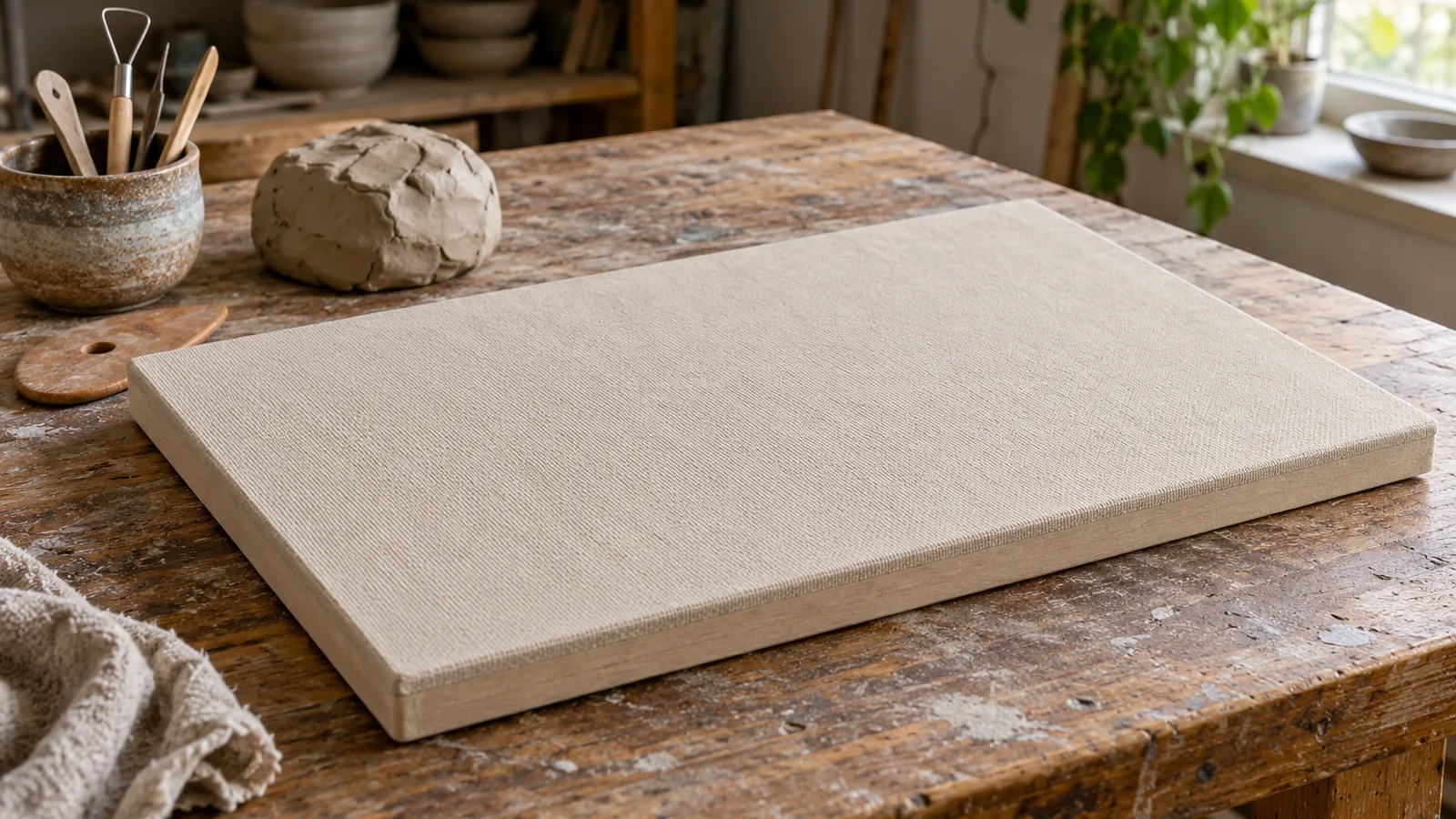
The Penguin Pottery Wedging Board is the best wedging board for pottery if you want a roomy, water-resistant surface for wedging, handbuilding, or glazing. For a thicker board, consider the LEOLIO Extra-Thick; for two boards, Kosiz or Clay Board; and for a large HDF surface, LEOLIO HDF.
For a compact or portable setup, the LEOLIO 13 x 17 Inch Clay Wedging Board with Built-in Handle offers a thick surface, while the Portable MDF set gives you two boards for separate work areas. ZENFUN suits an 8 mm option; CALPALMY and Afcabakila offer smaller MDF boards, with Afcabakila providing two.
Choose by surface size, material, thickness, and storage needs. Larger boards give you more room for clay and tools, while smaller boards take up less bench space and are easier to move.
The comparison table covers each board’s surface size, surface material, and thickness.
Our top picks for wedging boards for pottery
- Best Overall: Penguin Pottery Wedging Board, for potters who need a portable, large wedging surface
- Best Thick Board: LEOLIO Extra-Thick Wedging Board, with a 24 × 18-inch board listed at 0.5-inch thick
- Best Two-Board Set: Kosiz MDF Wedging Board, for potters who need portable MDF boards for home or mobile wedging
| Penguin Pottery Wedging Board |  | Best Overall | Surface size: 18 × 24 in | Surface material: Water-resistant Medex MDF | Thickness: 9.5 mm | VIEW LATEST PRICE | Read Our Analysis |
| LEOLIO Extra-Thick Wedging Board |  | Best Thick Board | Surface size: 24 in x 18 in | Surface material: HDF | Thickness: 1/2 in | VIEW LATEST PRICE | Read Our Analysis |
| Kosiz MDF Wedging Board |  | Best Two-Board Set | Surface size: 24 × 18 in | Surface material: MDF | Thickness: 9 mm | VIEW LATEST PRICE | Read Our Analysis |
| Clay Board Wedging Board |  | Best Compact Set | Surface size: 16 x 12 in | Surface material: 9 mm Medex MDF | Thickness: 9 mm | VIEW LATEST PRICE | Read Our Analysis |
| LEOLIO HDF Wedging Board |  | Best Large HDF Board | Surface size: 24 in x 20 in | Surface material: HDF | Thickness: 9 mm | VIEW LATEST PRICE | Read Our Analysis |
| LEOLIO 13 x 17 Inch Clay Wedging Board with Built-in Handle | 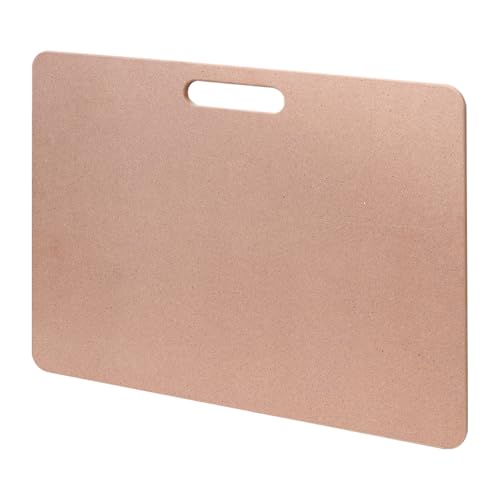 | Best Compact Thick Board | Surface size: 13 in x 17 in | Surface material: HDF | Thickness: 1/2 in | VIEW LATEST PRICE | Read Our Analysis |
| Portable MDF Wedging Board |  | Best for Separate Work Areas | Surface size: 11.7 × 17.6 in | Surface material: MDF | Thickness: 0.3 in | VIEW LATEST PRICE | Read Our Analysis |
| ZENFUN Portable Wedging Board | 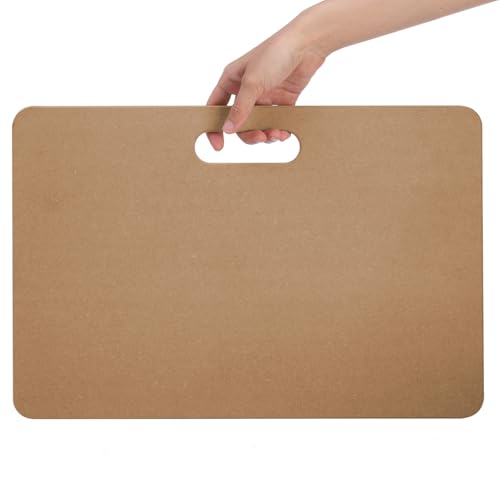 | Best 8 mm Option | Surface size: 11.7 in x 17.6 in | Surface material: Pulp | Thickness: 8 mm | VIEW LATEST PRICE | Read Our Analysis |
| CALPALMY Portable Wedging Board |  | Best for Portability | Surface size: 18 in x 12 in | Surface material: MDF | Thickness: 9 mm | VIEW LATEST PRICE | Read Our Analysis |
| Afcabakila Clay Wedging Board |  | Best for Two Small Boards | Surface size: 18 in x 12 in | Surface material: MDF | Thickness: 9 mm | VIEW LATEST PRICE | Read Our Analysis |
More Details on Our Top Picks
Penguin Pottery Wedging Board
Its 18 × 24-inch surface gives you room for clay preparation, while water-resistant Medex MDF provides an uncovered work area with no canvas layer to collect dry clay dust. At 4.84 pounds, it stays portable, and two built-in handles with rounded edges make carrying easier. The 3/8-inch board is also intended for handbuilding and glazing, so it can serve beyond wedging.
The single-piece board needs no assembly, with handles built in. Its lifetime warranty adds long-term coverage, though water should not sit or soak on the MDF. Store it flat and supported to reduce warping risk. Since it has no stated non-skid feature, brace it against a firm stop if it slides while you wedge.
Pros: Reviewer describes it as a flat, sturdy wedging surface (2023) · Reviewer notes the built-in handle aids carrying (2023) · Canvas-free surface avoids trapped dry-clay buildup (2023).
Cons: Reviewer advises not to let water sit or soak the board (2023) · Reviewer advises storing it flat and supported to reduce warping risk (2023).
Skip it if: you can’t brace the board while wedging and need it to stay in place.
- Surface size:18 × 24 in
- Surface material:Water-resistant Medex MDF
- Surface covering:Uncovered; no canvas layer
- Thickness:9.5 mm
- Portability:2 handles; 4.84 lb
- Stability:—
- Included features:2 built-in handles
LEOLIO Extra-Thick Wedging Board
Its half-inch HDF panel gives you a solid-feeling work area, and the smooth, non-porous surface is designed to keep clay from sticking as you prepare it. For comparing the best wedging board for pottery, consider this option’s large surface and built-in handle.
The handle makes it easier to carry between work areas, while rounded edges on the board and handle help prevent scratches. The surface also accommodates clay texture sheets, slab rollers, shaping tools, pottery turntables, and molds. Its 24 × 18-inch footprint gives you room to work, but takes up more bench or storage space than a compact board. Choose it if that larger working area matters more than a small storage footprint.
Skip it if: you don’t have storage space for a 24 × 18-inch board.
- Surface size:24 in x 18 in
- Surface material:HDF
- Surface covering:—
- Thickness:1/2 in
- Portability:Built-in handle
- Stability:—
- Included features:Built-in handle
Kosiz MDF Wedging Board
Home and mobile potters get two portable wedging surfaces with the Kosiz MDF Wedging Board. If your best wedging board for pottery needs include a generous work area and easy carrying, each board measures 24 × 18 inches and has built-in handles. Both boards are made from smooth, uncovered MDF and are 9 mm thick, so you can move them between work spots or use one as a spare. The boards also suit clay crafts and DIY workstation tasks, giving you more than one use for the set.
There’s no assembly step described: you can carry a board by its built-in handles and set it on your work surface. The smooth MDF gives you an uncovered surface for wedging, while the two-board set lets you keep another board ready for a separate task. These boards have no stated non-slip or anchoring feature, and potters report they may need weights to prevent movement during wedging. Plan for a weight or firm stop if your work surface lets a board slide.
Pros: Two boards included in set · Large 24 × 18 in working area · Built-in handles aid carrying.
Cons: No stated non-slip or anchoring feature · No cloth covering included.
Skip it if: a cloth covering needs to come with your wedging board.
- Surface size:24 × 18 in
- Surface material:MDF
- Surface covering:Smooth, uncovered MDF
- Thickness:9 mm
- Portability:Built-in handles; lightweight
- Stability:No stated non-slip feature
- Included features:2 boards
Clay Board Wedging Board
Unlike LEOLIO’s 13 x 17-inch board, this two-board set suits potters who want a compact, portable work area. Both have built-in handles and are made from 9 mm Medex MDF, giving you two surfaces to move between work areas or store separately. The material is also presented as a surface that helps prevent clay from sticking.
Set a board on your work surface when you need it, then carry it by the handle or put it away between sessions. Its compact footprint is handy in a tight studio, but gives you less room for larger batches of clay than a bigger board. The pair can also serve as glaze tables or craft surfaces, so both boards have uses beyond wedging.
Skip it if: you work substantial clay batches that need more room to wedge.
- Surface size:16 x 12 in
- Surface material:9 mm Medex MDF
- Surface covering:—
- Thickness:9 mm
- Portability:Built-in handle; lightweight
- Stability:Built-in handle
- Included features:2 boards
LEOLIO HDF Wedging Board
Potters who need a broad HDF work area will appreciate this large-format board. The LEOLIO board measures 24 × 20 inches, giving you a generous surface for wedging and shaping clay. Its 9 mm HDF construction has a smooth, non-porous finish and a built-in handle for carrying between work areas; the smooth surface leaves no texture in the way as you prepare clay.
The rounded board edges and handle make it easier to move and handle, while the broad surface can hold tools, molds, or clay sheets during projects. Its built-in handle supports portability, but the 24 × 20-inch footprint takes up substantial room when you store it. Plan for a shelf or workbench area that can fit the full board.
Skip it if: a 24 × 20-inch board won’t fit in your storage space.
- Surface size:24 in x 20 in
- Surface material:HDF
- Surface covering:—
- Thickness:9 mm
- Portability:Built-in handle
- Stability:—
- Included features:Built-in handle
LEOLIO 13 x 17 Inch Clay Wedging Board with Built-in Handle
For potters with limited bench space, the LEOLIO Large Clay Wedging Board pairs a compact work area with substantial thickness. Its surface measures 13 × 17 inches, and the dimensions give its thickness as ½ inch. That smaller footprint suits a dedicated corner or a work area where a larger board would take up too much room. The HDF surface is made from renewable wood resources, and a built-in handle makes the board easier to carry between work areas.
The built-in handle and rounded edges make it easier to move and handle, while the HDF gives you a firm surface for clay work. There’s no installation step described: set the board on your work surface and use it for wedging or other craft tasks. The 13 × 17-inch surface gives you less room to work than a larger board, so it may feel cramped when you need space for broad clay slabs or several tools.
Skip it if: your large slabs need more than its 13 × 17-inch work area.
- Surface size:13 in x 17 in
- Surface material:HDF
- Surface covering:HDF surface
- Thickness:1/2 in
- Portability:Built-in handle
- Stability:—
- Included features:Built-in handle
Portable MDF Wedging Board
The two-board set gives you one dedicated wedging area and another for sculpting or drying, so tasks stay separate. Its smooth surface wipes clean, while rounded, sanded edges are designed to reduce snags.
You can hang one board by its handle and keep the other at your wedging station, then swap them as tasks change. The two-board setup separates clay prep from sculpting or drying, and each board is easy to move. At 0.3 inches thick, these are slim boards rather than substantial fixed benches; the 11.7 × 17.6-inch work area may feel cramped for large pieces. The wipe-clean surface and rounded edges make them practical to store between tasks.
Skip it if: your large clay pieces need a broad surface that stays fixed.
- Surface size:11.7 × 17.6 in
- Surface material:MDF
- Surface covering:Smooth surface
- Thickness:0.3 in
- Portability:Built-in handle; 2-pack
- Stability:Rounded, sanded edges
- Included features:2 boards; built-in handles
ZENFUN Portable Wedging Board
The ZENFUN Portable Wedging Board gives you a portable work surface with an 8 mm-thick pressed-pulp option. Its working area measures 11.7 × 17.6 inches, with a flat surface intended to resist deformation and help keep clay from sticking. The rectangular board has rounded edges and a built-in handle, so you can carry it between work areas or hang it up when you need to save space.
There’s no assembly: the handle is built into the board, and its compact shape can also serve as a drying or cushioning surface for small clay work. Rounded edges help prevent scratches while you move or handle it. The main limitation is its 11.7-inch width, which leaves less room for wedging than a wider board; it suits compact work better than large batches.
Skip it if: large clay batches need more room than the 11.7 × 17.6-inch working area provides.
- Surface size:11.7 in x 17.6 in
- Surface material:Pulp
- Surface covering:—
- Thickness:8 mm
- Portability:Built-in handle
- Stability:Round edges
- Included features:Built-in handle; rounded edges
CALPALMY Portable Wedging Board
At 9 mm thick, this board suits potters carrying a work surface between studios, with a built-in handle. Its 18 × 12-inch surface gives you a portable area for wedging clay in a classroom, outdoors, or at home. The MDF board has no canvas covering, so dry clay dust won’t collect in fabric. CALPALMY also describes the board as suitable for handbuilding, glazing, crafting, and use as a base for texture sheets, pottery forms, turntables, and molds.
The built-in handle makes the board easy to carry, and its 9 mm MDF construction keeps the work surface relatively thin. Its compact footprint helps with transport and storage, but gives you less room than a larger wedging board. The bare MDF surface also avoids a fabric layer where clay dust can gather.
This portable board can serve as a work surface for clay projects and other tasks, including outdoor painting or laptop use. Its 18-inch length and 12-inch depth define the available wedging area.
Skip it if: your larger clay batches call for more than 12 inches of wedging depth.
- Surface size:18 in x 12 in
- Surface material:MDF
- Surface covering:No canvas covering
- Thickness:9 mm
- Portability:Built-in handle
- Stability:—
- Included features:Built-in handle
Afcabakila Clay Wedging Board
Two compact workspaces make this set a practical fit for small studios, classes, and home setups where easy carrying matters. The Afcabakila Clay Wedging Board includes two MDF boards, each measuring 18 × 12 inches, with a built-in handle. Their 9 mm thickness keeps the boards slim and light to move between work areas, while the 18 × 12-inch surface gives you room for wedging and other clay tasks.
There’s no assembly to manage: carry a board by its integrated handle and use its smooth, uncoated surface for wedging, texturing, or supporting a mold. Smooth MDF cleanup is simple, and the boards can also serve as painting or craft surfaces. The slim profile is the compromise: a light board may slide when you wedge toward yourself, so brace it against a firm stop. Its paired boards are sized for compact, portable work rather than a single large wedging station.
Skip it if: you need one broad, heavy wedging surface for large clay batches; each board measures just 11.81 × 17.72 inches.
- Surface size:18 in x 12 in
- Surface material:MDF
- Surface covering:Smooth, uncoated surface
- Thickness:9 mm
- Portability:Built-in carry handle
- Stability:—
- Included features:2 boards
Wedging Boards for Pottery: Key Specs Side by Side
Here is how the 10 picks line up on surface size, surface material, surface covering, thickness and portability. Cells marked with a dash are specs the maker leaves out of its listing.
| Pick | Surface size | Surface material | Surface covering | Thickness | Portability |
|---|---|---|---|---|---|
| Penguin Pottery Wedging Board | 18 × 24 in | Water-resistant Medex MDF | Uncovered; no canvas layer | 9.5 mm | 2 handles; 4.84 lb |
| LEOLIO Extra-Thick Wedging Board | 24 in x 18 in | HDF | — | 1/2 in | Built-in handle |
| Kosiz MDF Wedging Board | 24 × 18 in | MDF | Smooth, uncovered MDF | 9 mm | Built-in handles; lightweight |
| Clay Board Wedging Board | 16 x 12 in | 9 mm Medex MDF | — | 9 mm | Built-in handle; lightweight |
| LEOLIO HDF Wedging Board | 24 in x 20 in | HDF | — | 9 mm | Built-in handle |
| LEOLIO 13 x 17 Inch Clay Wedging Board with Built-in Handle | 13 in x 17 in | HDF | HDF surface | 1/2 in | Built-in handle |
| Portable MDF Wedging Board | 11.7 × 17.6 in | MDF | Smooth surface | 0.3 in | Built-in handle; 2-pack |
| ZENFUN Portable Wedging Board | 11.7 in x 17.6 in | Pulp | — | 8 mm | Built-in handle |
| CALPALMY Portable Wedging Board | 18 in x 12 in | MDF | No canvas covering | 9 mm | Built-in handle |
| Afcabakila Clay Wedging Board | 18 in x 12 in | MDF | Smooth, uncoated surface | 9 mm | Built-in carry handle |
Factors to Consider When Choosing a Wedging Board
Match surface size to your clay work
Choose a board that gives you room to wedge without crowding your hands or pushing clay toward the edge. Think about the largest amount of clay you usually prepare and how much space your wedging motion needs. A compact board can suit a small work area or occasional wedging; a larger surface gives you more room for bigger batches.
There’s no single size specified as best here. Match the usable surface to your clay work and available bench space, rather than choosing the biggest board by default. A board that takes up more room can be awkward if you need to move or store it after wedging.
Choose a surface material and covering
Compare the listed surface material and any covering as separate features. The material tells you what the board is made from; the covering is the clay-contact surface. Look for a combination that fits how you wedge and how you plan to store the board.
Avoid treating different materials or coverings as interchangeable. If the surface you prefer has a covering, consider whether that suits your routine; if you want a plain surface, prioritize that instead. Make the choice based on the board’s stated construction, not on assumptions about how a material will feel or perform.
Check thickness, weight, and portability
Thickness and weight affect how a board fits into your workspace and how easy it is to move. If you’ll leave the board on a dedicated bench, prioritize a size and build that fit that spot. If you need to carry it or put it away between sessions, portability and storage matter more.
There’s no single thickness specified as best. Compare thickness and portability, then choose based on where you’ll use the board and whether you need to move it.
Assess stability on your workbench
Consider how the board will sit on your bench and what will keep it from moving while you work. A board that fits the work area but shifts under pressure can interrupt wedging. If you choose a thin, light board, plan to brace it against a firm stop, a solution reported by a pottery-forum user.
Decide which features you need
Treat built-in features as practical trade-offs, not automatic upgrades. A handle may help if you regularly move or store a board; a thicker build may suit a different workspace than a thinner one. Choose features that solve a real need in your setup.
Before choosing, weigh the factors that affect your routine:
- Work area: Surface size should fit both your clay work and your bench.
- Clay-contact surface: Compare the listed material and covering.
- Moving and storage: Consider thickness, weight, and portability together.
- Stability: Account for the chance of sliding and how you’ll brace the board.
- Extra features: Favor features you’ll use, rather than paying for complexity you don’t need.
The right balance depends on where you wedge, how much room you need, and whether the board must move between sessions.
Frequently Asked Questions
Can I use a portable wedging board on a regular table?
Yes, a portable wedging board can sit on a regular table, giving you a removable work surface without a dedicated wedging table. Sliding is the main concern: thin, light boards may move when you wedge toward yourself, so brace the board against a firm stop if needed.
How do I keep a wedging board from sliding?
Brace the board against a firm stop, such as a wall or a securely fixed edge, especially if you wedge toward yourself. Thin, light boards can slide under that pressure, and potters have reported that bracing the board stopped the movement.
Can I make my own pottery wedging board?
Yes, you can make a wedging surface from materials suited to the work area and clay handling you need. A ½-inch Hardiebacker surface has been described as absorbent, hard-wearing, and easier to manage than a large plaster slab. Brace a lightweight board against a firm stop if it shifts while you wedge.
How do I clean or replace the canvas on a wedging board?
Remove clay from canvas with a soft brush or plastic spatula, then wash the surface after use; avoid metal tools, which can damage the canvas. Plaster on canvas can contaminate pottery, so keep plaster residue off the cloth and replace a contaminated covering before using it for clay work.
Should I buy a wedging board or a complete wedging table?
Choose a board if you need a portable surface that you can set on an existing workbench and store between sessions. A complete table gives you a fixed work area; 30–32 inches is a comfortable table height for many setups, though the right height depends on your body and wedging method.
Conclusion
If you need room for larger clay batches, choose a broad board; if storage and portability matter more, choose a compact board with a built-in handle. For separate tasks or a spare surface, pick a two-board set. Before choosing, measure the space where you’ll work and store the board, then match the surface size and material to your clay routine. Let your available workspace set the size, and choose added features only when you’ll use them.
Sources
- community.ceramicartsdaily.org (community.ceramicartsdaily.org)
- cera-fw.org (cera-fw.org)
- lakesidepottery.com (lakesidepottery.com)
- ceramicartsnetwork.org (ceramicartsnetwork.org)